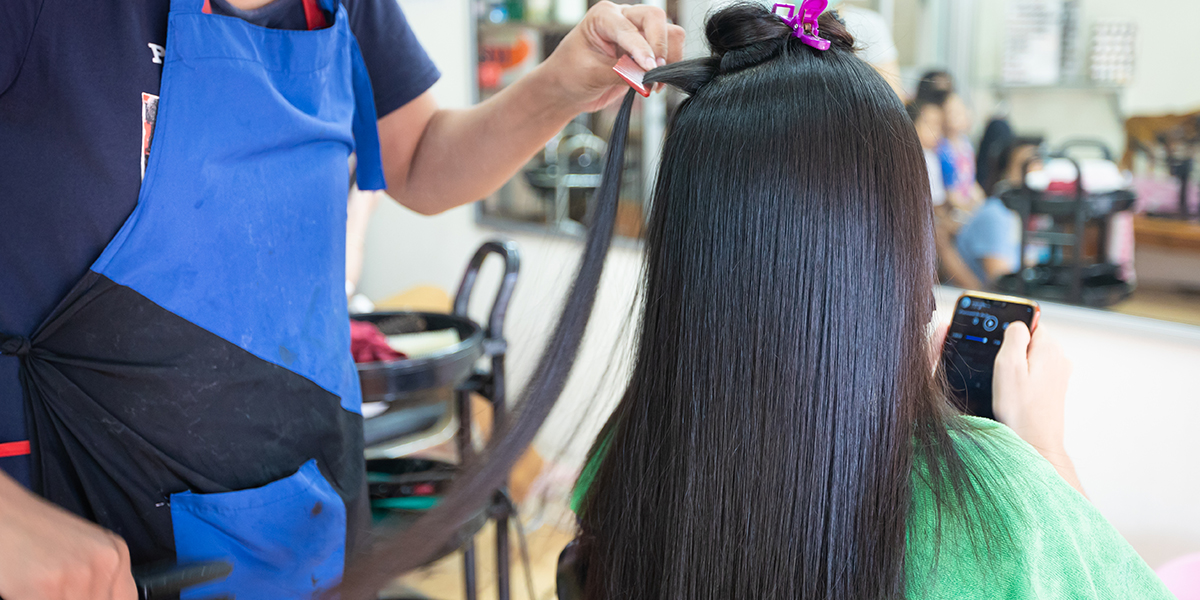
Ever noticed how your friend’s black hair looks rich and glossy, but yours turns out darker or duller? You both used the same shade, right? The truth is, black hair dye isn’t a one-size-fits-all deal. Everyone’s hair tells a different story, and that’s what makes every shade of black unique.
Black Isn’t Just One Shade
When you think of black hair, you probably imagine a single deep color. But black actually has many layers from soft espresso tones to intense jet black. The final color you get depends on your natural shade, undertones, and even how strong your hair is.
Your hair acts like a canvas. If it’s dry or damaged, it absorbs more pigment, making the color look darker. Revitalized hair reflects light better, so it looks shinier and more vibrant. That’s why the same product can look completely different on two people.
Your base color matters too. Gray hair, for example, reacts differently than brown or blonde hair because it lacks natural pigment. The dye fills those gaps differently, sometimes creating cooler or flatter tones.
Your Undertone Plays a Big Role
Just like with makeup, your skin’s undertone influences how hair color looks on you. Warm undertones think golden, peachy, or olive skin tend to look dominant with warm black shades that have brown or red hints. Cool undertones like pink or bluish skin look more balanced with cool black tones that have a blue or violet tint.
If the undertone doesn’t match, the color might make your complexion look washed out or harsh. That’s why professionals always consider your undertone before coloring. The supreme black isn’t the darkest one, it’s the one that complements your natural tone and looks effortlessly right on you.
Porosity Changes the Game
Porosity is how well your hair absorbs and holds moisture and color. Hair that’s been chemically nourished or heat-styled tends to be more porous, which means it soaks up dye faster and deeper. That can make it appear darker or uneven.
If your hair has low porosity, it might resist the dye, leaving the color looking lighter or softer. This explains why some people get intense color in one session, while others need multiple sessions.
Understanding how porous your hair helps you predict how your color will turn out and how long it’ll last.
Lighting Can Trick Your Eyes
Sometimes, your hair color didn’t change it’s just the lighting. Black hair reacts strongly to light. Under warm lighting, it might look brownish or soft. Under cool or daylight settings, it can look deeper or even bluish.
Hair reflects light differently depending on its tone and surface. So, when your black hair glows red in the sun, that’s not a mistake that’s your undertone showing up beautifully. Lighting adds dimension and character to your color, giving it depth and life.
Texture and Thickness Matter
Have you ever noticed that straight black hair often looks shinier than curly hair? That’s because straight strands have a smooth surface that reflects light easily. Curly or wavy hair has bends and twists that scatter light, giving the color a softer appearance.
Thicker hair strands also hold and reflect pigment differently than fine hair. Coarse hair may absorb color more evenly, while fine hair might look darker even with the same shade. Your hair’s natural structure plays a big role in how black dye looks once it’s applied.
Your Color History Follows You
Every time you color your hair, you create a new base for the next dye. If you’ve had a red or brown tone before, traces of it may still be there. When you go black, those leftover pigments can subtly influence the final shade.
For example, if your previous color was warm, your new black might appear slightly reddish in sunlight. If your hair was lighter before, the black could look more intense. Each coloring layer builds on the last one, which is why color correction is often done before applying black for prime results.
So, when your black hair looks different from someone else’s, it could simply be the story of your past colors shining through.
Revitalization Makes a Big Difference
How you maintain your hair after coloring affects how it looks over time. Using harsh shampoos or exposing your hair to too much sun can make black dye fade or lose its shine.
Black hair color thrives on gentle attention. Use color-safe products, avoid excessive heat, and keep your hair hydrated. This helps maintain its natural gloss and keeps the color looking rich and consistent.
With proper nourishment, black hair can stay vibrant and reflective for weeks, showing off that beautiful depth and dimension that makes it so striking.
Why “One Black Fits All” Is a Myth
Just like foundation or lipstick, black hair dye isn’t one universal shade. Everyone’s hair has its own undertones, texture, and base color, so what looks great on one person might look completely different on another.
The true black hair color is one that feels right for you the shade that enhances your features, complements your tone, and fits your personality. Trying to copy someone else’s exact shade can leave you disappointed because every head of hair reacts in its own way.
Embracing that individuality is where the magic lies. Black hair isn’t about blending in it’s about standing out confidently as yourself.
The Final Word
Black hair isn’t just a color; it’s an expression of style, texture, and individuality. The reason it looks different on everyone is because no two people share the same hair type, tone, or light reflection.
From the natural pigment you start with to the attention you give afterward, every factor shapes the outcome. That’s what makes your shade of black special it’s personal, authentic, and uniquely yours.
So, the next time someone asks why your black hair looks different, tell them it’s because your color has character. After all, that’s what true beauty is not about sameness, but about shining in your own way.